
The Evolution of Luxury: From History to Contemporary Design
Luxury Through the Centuries
Today, the term luxury is widely used, but what does it truly mean within the context of interior design and high-end furniture? Throughout history, luxury has taken on different forms, always closely connected to prestige, quality, and innovation.
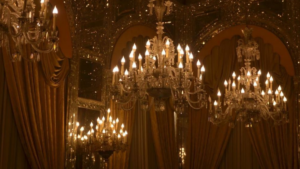
In ancient times, precious woods, marble, refined textiles, and intricate inlays were symbols of power and status. During the Middle Ages, wealth was expressed through tapestries and elaborate decorations within predominantly Gothic interiors, while in the Renaissance, carved furniture and artistic wall coverings conveyed the cultural prestige and economic strength of nobles and wealthy families.
From the Baroque Period to the Present Day
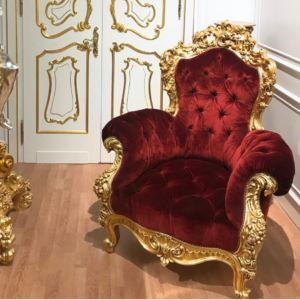
During the Baroque era, luxury was synonymous with spectacle and ornamentation, expressed through imposing, richly carved furniture and intense color palettes. In contrast, Rococo interiors favored elegance and lightness, with softer forms, pastel tones, and refined textiles.
In the 19th century, industrialization allowed luxury to extend beyond the aristocracy to the emerging upper-middle class. In the 20th century, luxury became increasingly associated with aesthetics, design, and social recognition. Today, however, luxury is defined by personalization, uniqueness, and material quality, with growing attention to sustainability and environmental responsibility.
This evolution clearly shows how luxury moves in parallel with design trends, whether contemporary or timeless. The key question, therefore, is: what does luxury truly mean today, and which trends are shaping high-end interior design?
At Bazzi Group, with our experience in Made in Italy craftsmanship and luxury bespoke furniture, we closely observe these transformations to create tailor-made solutions that combine aesthetics, functionality, and sustainability in truly unique spaces.
Luxury Materials and Sustainability
In 2026, materials represent the true core of luxury. Precious woods, noble marbles, natural textiles, and finely crafted metals are no longer mere symbols of prestige; they guarantee durability, comfort, and environmental respect.
Sustainability has become a fundamental criterion. Furniture made with certified wood, recycled metals, and natural finishes demonstrates that luxury does not have to conflict with ecological values. For international clients, this is a decisive advantage: high-end furniture must stand the test of time while respecting the environment.
Colors and Forms: Luxury in the Details
Sophisticated and Personalized Color Palettes
In bespoke luxury interiors, color is no longer limited to neutral shades. Warm and deep tones, bold accents such as pumpkin orange or emerald green, combined with refined beige and sophisticated neutrals, now define contemporary elegance.
Color choices are never random; they reflect the client’s personality and the desired atmosphere of the space, becoming a distinctive element of personalized luxury.
Curves and Fluid Design
Soft, rounded furniture shapes have become central to contemporary interiors, replacing rigid and severe lines. Sofas, armchairs, and tables with organic silhouettes offer comfort, visual harmony, and a unique sensory experience.
A practical example of this trend is our Eucalyptus armchair by Cuba by Bazzi, where the enveloping shape of the backrest gently supports the body, while the dark eucalyptus wood shell highlights how natural materials have become true symbols of modern luxury.
Functional Luxury: Invisible Technology and Adaptive Spaces
Contemporary luxury is no longer defined by aesthetics alone; it also includes intelligent functionality designed to enhance everyday living. High-end spaces are increasingly conceived as adaptive and multifunctional, thanks to solutions such as modular sofas, transformable tables, and furniture with integrated storage systems that respond to different needs without compromising elegance.
At the same time, technology becomes essential yet discreet. Lighting systems that adapt to natural rhythms, silent automation, and invisible home automation solutions integrate seamlessly into the design, offering comfort and convenience without interfering with the overall aesthetic.
This balance between functionality and technology creates a more fluid, comfortable, and refined living experience, fully aligned with the new standards of contemporary luxury.
Craftsmanship, Personalization, and the Value of Made in Italy
The true luxury of 2026 lies above all in personalization and uniqueness. Every piece of furniture tells a story through the careful selection of materials, artisanal finishes, exclusive details, and a harmonious relationship with its surrounding space.
Made in Italy remains a strong international value, combining artistic culture, technical expertise, and design excellence to create pieces that become authentic works of art, admired and sought after worldwide.
At Bazzi Group, we interpret this vision by creating bespoke furniture that reflects personal style and timeless elegance.

Why Bespoke Luxury Makes the Difference
Luxury interior design today is defined by experience, personalization, and sustainable quality. From carefully selected materials to fluid forms, from invisible technology to Italian craftsmanship, every detail contributes to transforming interiors into exclusive environments.
Choosing professionals specialized in Made in Italy and luxury bespoke furniture means bringing tailor-made solutions into your home solutions capable of combining aesthetics, functionality, and sustainability.
Would you like to discover how to transform your space into a unique,luxury, elegant, and sustainable environment?
Contact our team of experts and let us guide you in selecting bespoke solutions that truly reflect your personality and lifestyle.